





Make Every Cybersecurity Dollar Count
State and Local Government Cybersecurity
Municipal and county IT leaders face growing cyber risk, complex technology environments, and limited resources. Carson & SAINT helps local governments identify exploitable weaknesses through expert-led penetration testing, assess cybersecurity and compliance risk, and focus resources where they can make the greatest impact.

CYBER RISK PRIORITIZATION
Focus Resources Where They Can Reduce the Most Risk
Local governments have no shortage of cybersecurity priorities. Vulnerabilities, third-party access, incident preparedness, aging infrastructure, cloud environments, compliance requirements, and emerging threats can all demand attention at once. The challenge isn’t finding something to address. It’s determining which risks matter most and where limited resources can make the greatest difference.

Start by asking:
Which exposures create the greatest operational risk?
Which existing defenses have actually been tested?
Which vulnerabilities should be remediated first?
Where do cybersecurity or compliance requirements reveal gaps?
Where are third parties introducing risk we don't directly control?
Before adding another security investment, establish where your greatest exposure exists and which actions will make the greatest difference.
Cyber Risk Goes Beyond Just the IT Department
Complex Attack Surfaces
Networks, applications, identities, endpoints, cloud environments, and legacy systems create multiple paths for exposure.
Operational Continuity
Cyber incidents can disrupt systems and services that employees and residents depend on.
Incident Readiness
Response depends on people, processes, communications, escalation, and recovery, not technology alone.
Third-Party Dependencies
Vendors, contractors, cloud services, and technology providers can introduce exposure beyond the direct control of internal IT teams.
Limited Resources
Local-government IT teams must balance cybersecurity priorities against staffing, budget, infrastructure, and operational demands.

A Practical Path to Reducing Cyber Risk
Assess
Cyber Risk & Compliance Assessments
Understand your current security posture, identify meaningful gaps, and evaluate your environment against applicable requirements and cybersecurity frameworks.
VALIDATE
Penetration Testing
Independently test networks, applications, identity systems, cloud environments, and other attack surfaces to determine whether weaknesses can actually be exploited.
PRIORITIZE
Vulnerability Risk Management
Continuously identify and prioritize vulnerabilities based on risk, context, and potential impact with SAINT Risk Navigator.
PREPARE
Incident Response Readiness
Test whether your people, processes, communications, escalation procedures, and recovery plans will work together during an actual incident.
VERIFY
Third-Party Risk
Identify and evaluate cybersecurity risks introduced by vendors, contractors, technology providers, and other external organizations.
What’s In It For You?
Identify exploitable weaknesses
Prioritize limited resources more effectively
Independently validate existing defenses
Strengthen incident and recovery readiness
Reduce third-party and external exposure
Demonstrate measurable cybersecurity progress
Depending on the services they provide, information they handle, and contracts they support, local governments may need to address requirements and guidance associated with PCI DSS, HIPAA, CMMC, and the NIST Cybersecurity Framework (CSF). Carson & SAINT helps organizations assess applicable requirements, identify gaps, validate controls, and prioritize improvements.
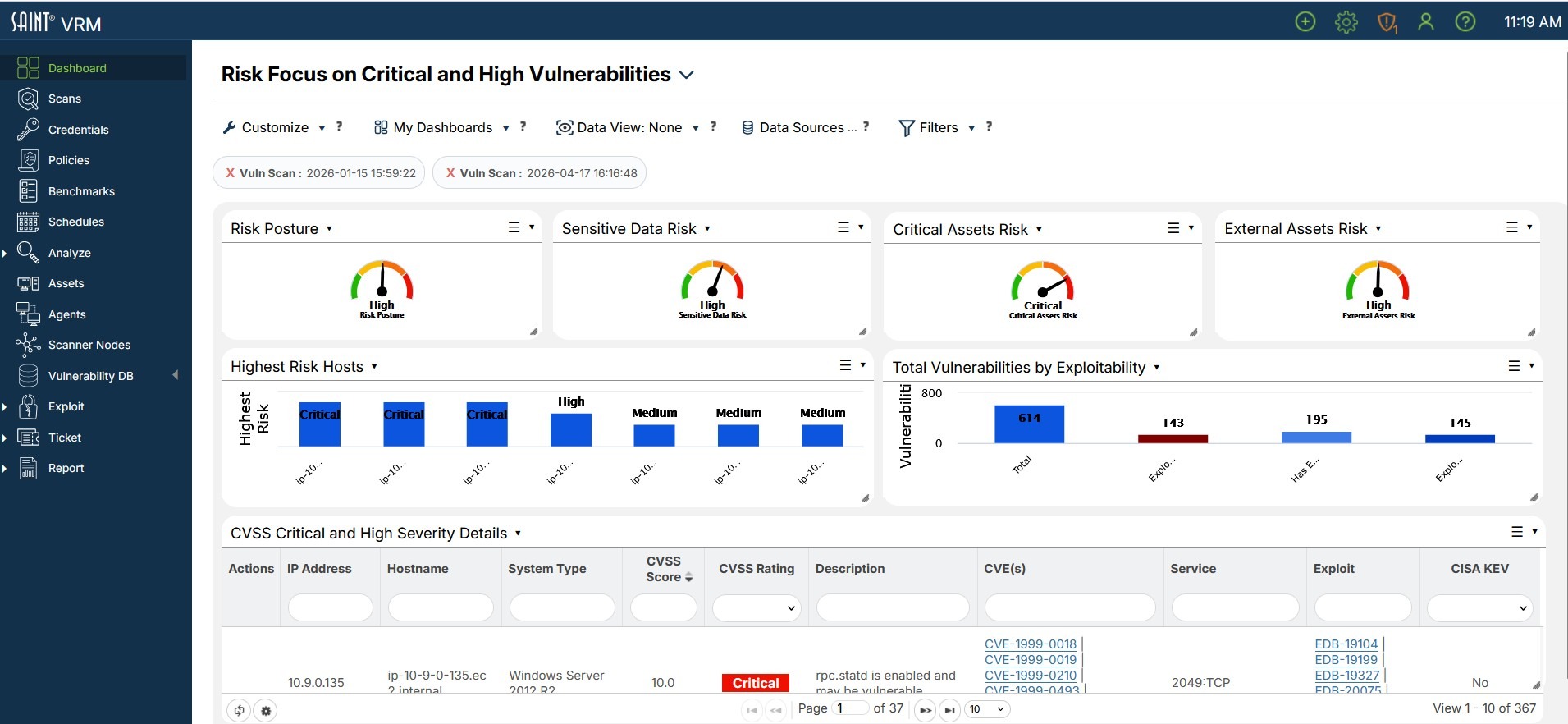
Already Scanning? Turn Findings Into Action.
Vulnerability scanning provides essential visibility into potential weaknesses, but identifying a vulnerability doesn’t necessarily tell you whether it can be exploited, what it puts at risk, or where remediation should take priority.
Vulnerability data alone may not tell you:
Whether an exposure can actually be exploited
Which affected systems matter most to operations
Whether existing controls reduce the risk
Which findings should be remediated first
Whether remediation actually solved the problem
You don’t necessarily need another list of vulnerabilities. You need a defensible order of operations.
Carson & SAINT combines expert-led penetration testing services with SAINT Risk Navigator to help local governments move beyond vulnerability discovery. Penetration testing validates exploitable weaknesses and attack paths, while Risk Navigator helps continuously assess, prioritize, and track vulnerabilities based on risk.
Where Could Your Next Cybersecurity Dollar Have the Greatest Impact?
Talk with a Carson & SAINT cybersecurity expert about your current priorities, existing security program, and areas of concern. We’ll help you identify where deeper assessment, independent validation, readiness testing, or ongoing risk management could provide the greatest value.