










Most organizations do not struggle to find vulnerabilities.
They struggle to decide what to do about them.
Security teams today face a familiar challenge: more assets, more vulnerabilities, more compliance requirements, and more pressure to demonstrate measurable results. New findings arrive every day, yet resources remain limited. Leadership wants clear answers about risk. Auditors want evidence of compliance. Operations teams want remediation efforts that do not disrupt the business.
In that environment, the value of a vulnerability management platform is no longer measured by how many vulnerabilities it finds. It is measured by how effectively it helps organizations prioritize risk, streamline operations, and support better decisions.
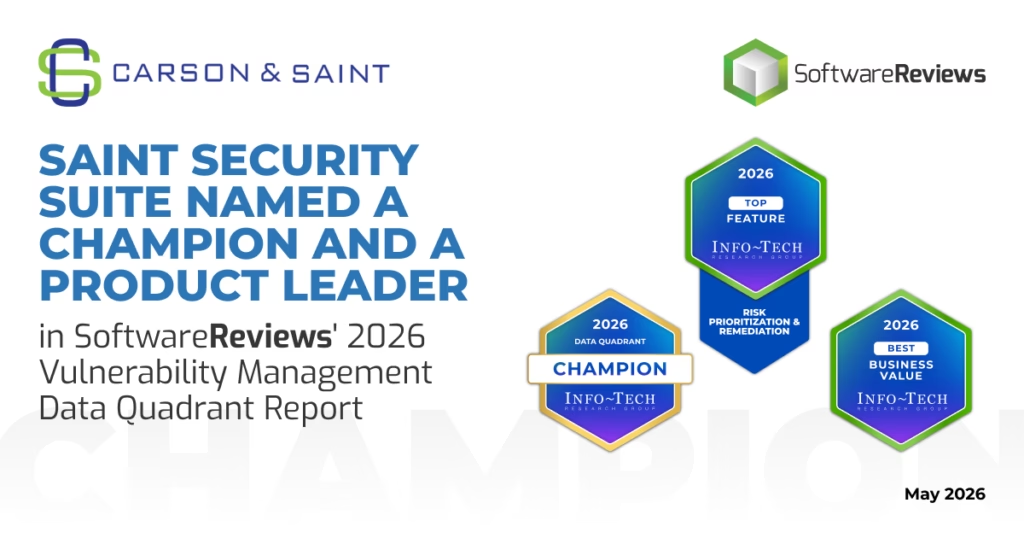
That reality is reflected in the 2026 SoftwareReviews Vulnerability Management Data Quadrant, where SAINT Security Suite was recognized as a Champion and Product Leader while earning distinctions for Best Business Value Created and Best Feature: Risk Prioritization & Remediation.
The awards are noteworthy. The customer feedback behind them is even more revealing.
The Problem Isn’t Finding Vulnerabilities Anymore
A decade ago, many organizations were focused on visibility. They needed to know what systems they owned and where vulnerabilities existed.
Today, most security teams have visibility. What they lack is clarity.
A vulnerability scan might generate hundreds or thousands of findings. Security leaders must determine which exposures represent real business risk, which vulnerabilities can wait, and which require immediate attention. Without effective prioritization, teams often find themselves trapped in a cycle of chasing severity scores instead of reducing meaningful risk.
This challenge becomes even more pronounced as organizations expand cloud environments, connect more third-party services, and adopt new technologies faster than security programs can adapt.
One SoftwareReviews customer highlighted this challenge when describing what set SAINT Security Suite apart:
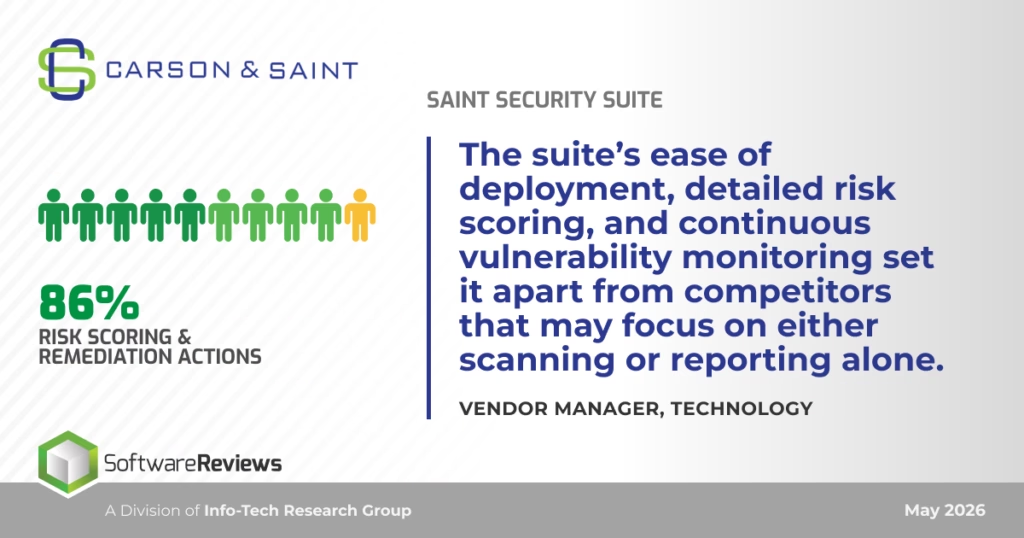
That emphasis on risk scoring and remediation aligns closely with one of SAINT Security Suite’s strongest areas of recognition: Risk Prioritization & Remediation.
The distinction matters because security leaders increasingly need more than vulnerability data. They need context. They need confidence. Most importantly, they need a way to focus resources where they will have the greatest impact.
Why More Data Doesn’t Always Create Better Decisions
Many organizations already have multiple security tools generating alerts, reports, dashboards, and recommendations. The challenge is not collecting information. The challenge is turning information into action.
When vulnerability management programs mature, the conversation shifts away from vulnerability counts and toward outcomes. Leadership wants to know whether risk is decreasing. Compliance teams want to know whether exposures are being addressed. Security teams want to know where to focus first.
This is where business value enters the conversation.
According to SoftwareReviews customer feedback, SAINT Security Suite earned an 88% rating for Business Value Created, outperforming several major vulnerability management providers.
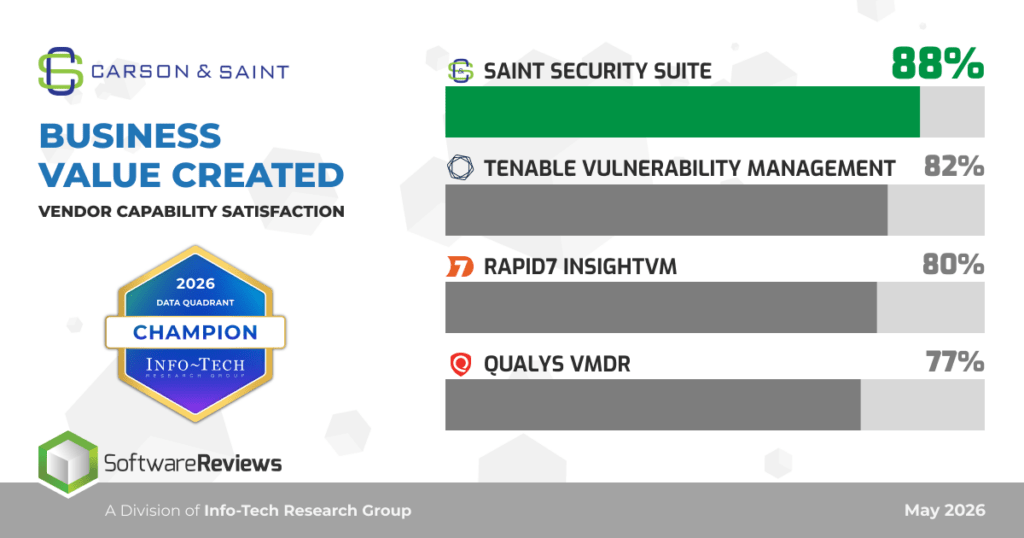
Business value in vulnerability management is not about producing more reports. It is about helping organizations make better decisions, prioritize remediation efforts, and communicate risk more effectively across the business.
This philosophy closely aligns with Carson & SAINT’s approach to cybersecurity. Effective vulnerability management should not operate as a standalone technical activity. It should support broader risk management objectives and help organizations connect technical findings to business priorities.
Organizations looking to strengthen that connection often move beyond vulnerability management alone and toward a more comprehensive approach to Vulnerability Risk Management through SAINT Risk Navigator, where vulnerability data can be evaluated in the context of operational and business impact.
Security Teams Are Drowning in Tool Sprawl
Modern security programs rarely suffer from a lack of technology.
SIEM platforms, EDR solutions, cloud security tools, ticketing systems, compliance management platforms, asset inventories, and vulnerability scanners all contribute valuable information. Unfortunately, they can also create complexity.
Every disconnected system creates friction and delays. Every integration challenge slows response.
Security leaders know that the true cost of a security tool is not just its licensing fee. It is the operational burden required to manage it.
That is why customer feedback around ease of administration and integration deserves attention.
SoftwareReviews respondents rated SAINT Security Suite highly for Ease of IT Administration and Ease of Data Integration.
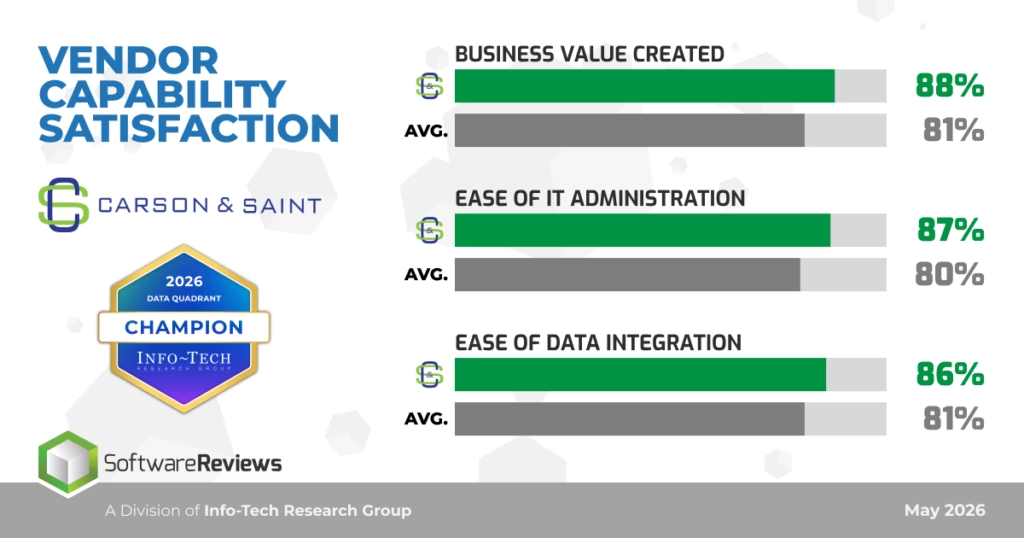
The ability to integrate vulnerability data into existing workflows helps teams move faster and spend less time manually coordinating information across systems.
The same trend appears when comparing integration capabilities against competing solutions.
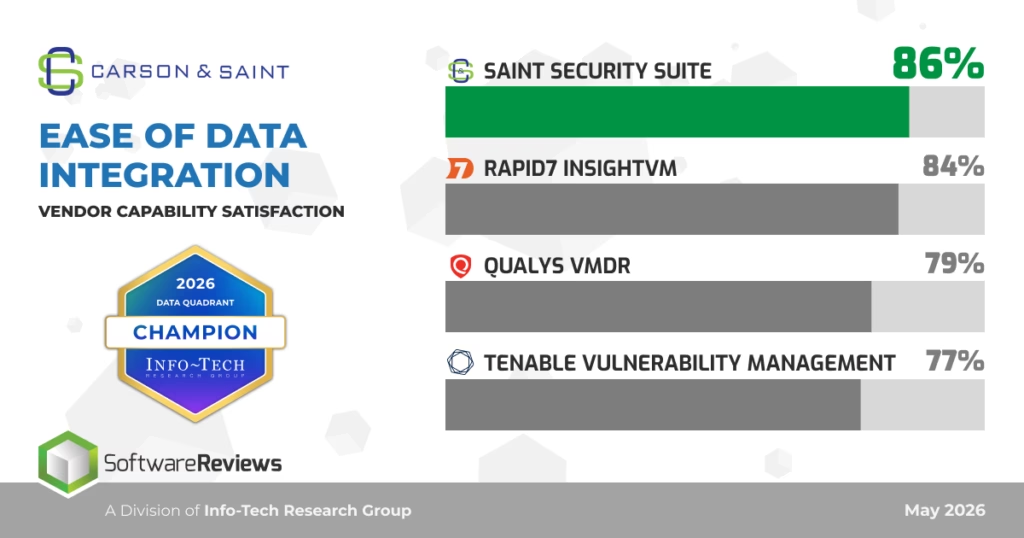
For organizations already managing complex environments, operational efficiency is not simply a convenience. It directly affects how quickly teams can identify, prioritize, and address risk.
When Things Go Wrong, Support Becomes a Security Capability
Vendor support is often overlooked during software evaluations.
Until it isn’t.
A vulnerability management platform is rarely judged during a routine week. It is judged when a critical vulnerability emerges, when a compliance assessment is approaching, or when security teams are under pressure to explain risk to leadership.
During those moments, expertise matters.
Organizations need more than a software vendor. They need a partner who understands cybersecurity, risk management, compliance requirements, and the realities of day-to-day operations.
SoftwareReviews respondents ranked SAINT Security Suite first among evaluated vendors for Vendor Support, achieving a 91% satisfaction rating.
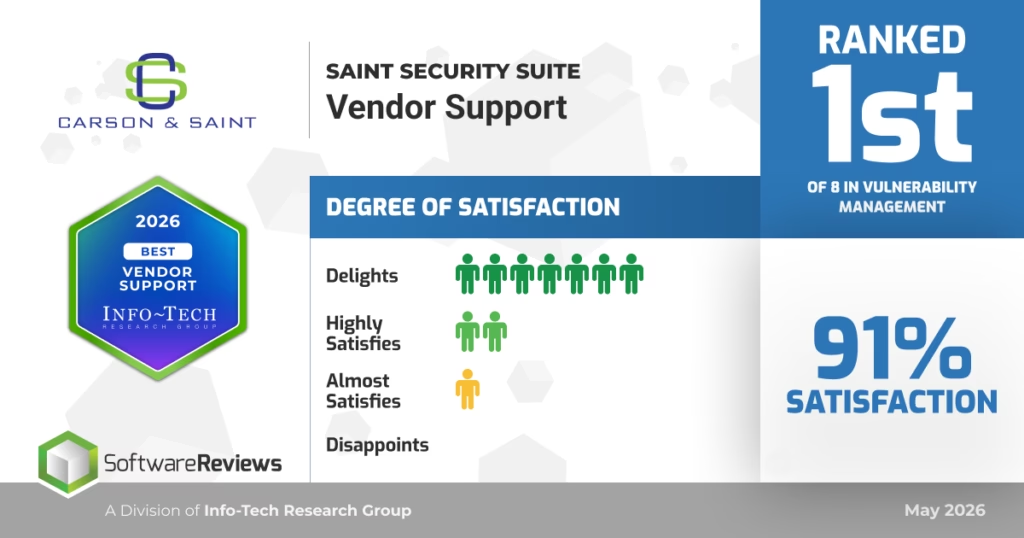
That result becomes even more meaningful when viewed against competing platforms.
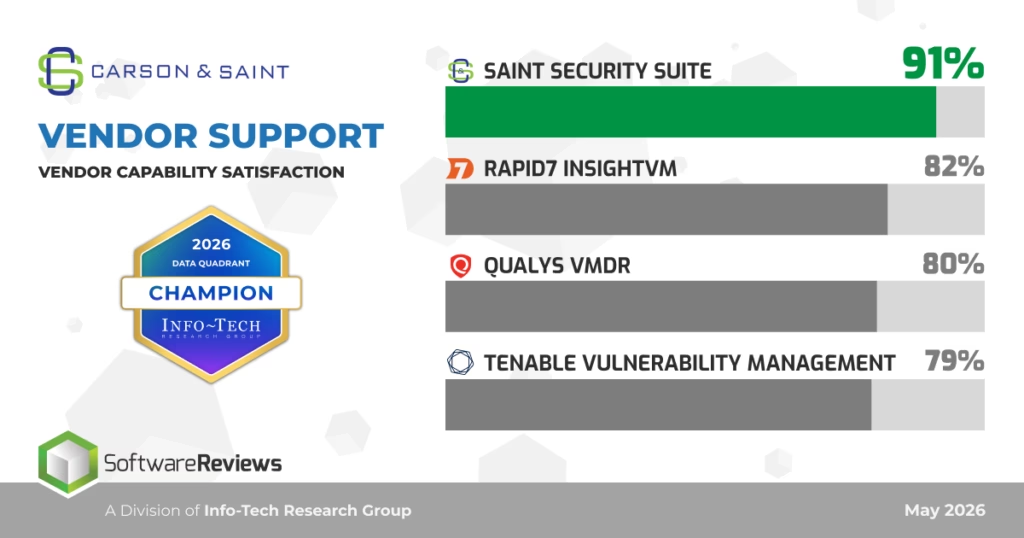
Support influences far more than customer satisfaction scores. It affects adoption, operational efficiency, remediation timelines, and ultimately the effectiveness of a security program.
For many organizations, the difference between a successful vulnerability management program and a struggling one is not the software itself. It is the quality of guidance available when difficult decisions need to be made.
Reliability Is Easy to Overlook Until You Need It
Security teams make important decisions based on the information their platforms provide.
If data is inconsistent, reports are unreliable, or systems fail to perform as expected, trust erodes quickly.
That is why reliability remains one of the most important — and often most overlooked — attributes of any security solution.
SoftwareReviews respondents rated SAINT Security Suite highly for reliability, productivity, and overall protection.
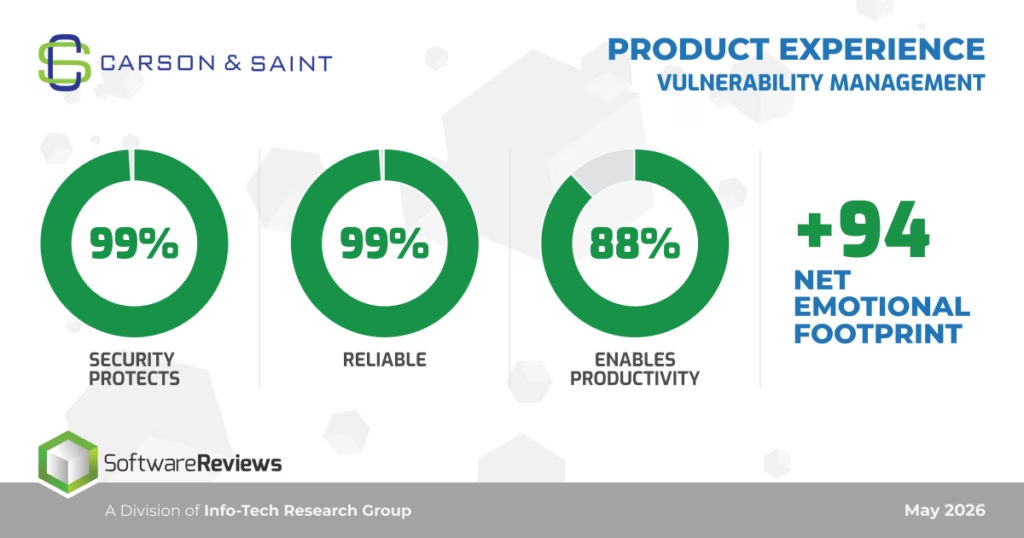
These metrics speak to something larger than product functionality. They reflect confidence.
Security teams need confidence that scans are accurate. Compliance teams need confidence that reporting is defensible. Leadership needs confidence that security investments are delivering meaningful results.
Without trust in the underlying platform, every downstream decision becomes more difficult.
Technology Alone Does Not Create Outcomes
One of the most interesting themes within the SoftwareReviews data is that customer satisfaction extends beyond product features.
Organizations consistently evaluate their overall experience, including efficiency, effectiveness, and time savings.
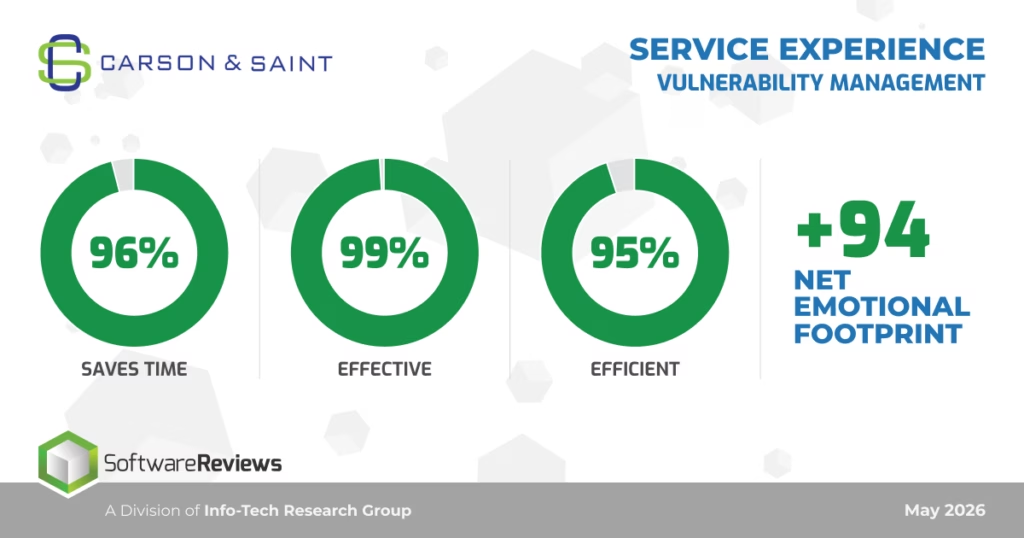
This reflects an important reality about cybersecurity programs: technology is only one component of success.
Processes matter. Expertise matters. Support matters. The ability to operationalize information matters.
The organizations that achieve the strongest security outcomes are often not those with the most tools. They are the ones that can effectively leverage the tools they have.
Independent Validation Still Matters
The cybersecurity market is crowded with claims, feature comparisons, and competing narratives.
That makes independent customer feedback particularly valuable.
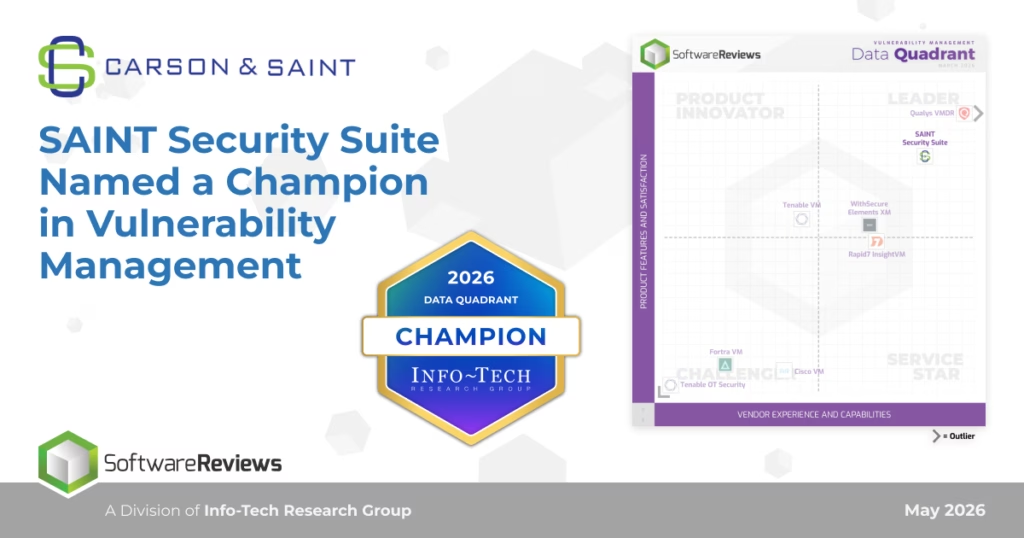
SoftwareReviews recognized SAINT Security Suite as a Champion and Product Leader in the 2026 Vulnerability Management Data Quadrant while also awarding recognition for Best Business Value Created and Best Feature: Risk Prioritization & Remediation.
The broader Data Quadrant positioning reinforces the platform’s standing among leading vulnerability management solutions.
For security leaders evaluating options, this kind of validation offers a useful perspective beyond marketing materials and product demonstrations. It reflects the experiences of organizations using these solutions in real-world environments every day.
What Security Leaders Should Take Away
The SoftwareReviews data highlights a trend that extends well beyond any individual platform.
Security leaders increasingly value solutions that help them:
- Prioritize risk instead of simply identifying vulnerabilities
- Demonstrate business value from security investments
- Reduce operational complexity
- Integrate with existing workflows
- Access knowledgeable support when it matters most
- Build confidence in their security and compliance programs
These priorities reflect the evolution of vulnerability management itself.
The conversation is no longer just about finding weaknesses. It is about understanding which weaknesses matter, responding effectively, and supporting better business decisions along the way.
As organizations continue to face growing attack surfaces, regulatory pressures, and resource constraints, the most effective vulnerability management platforms will not simply deliver more data.
They will help security leaders turn that data into action.
To learn more about SAINT Security Suite and see why customers recognized it as a Champion in the 2026 SoftwareReviews Vulnerability Management Data Quadrant, visit the SAINT Platform page or contact Carson & SAINT to schedule a demonstration.



0 Comments