





Security teams have no shortage of data. Vulnerability scanners, asset inventories, threat intelligence, ticketing systems, cloud platforms, and compliance tools all contribute information that can help organizations understand and reduce cyber risk.
The usefulness of that information depends heavily on how easily it can move between systems.
When security data remains fragmented, teams spend more time reconciling information, moving data manually, and determining which source provides the context they need. Those additional steps can slow remediation and consume resources that are already stretched thin.
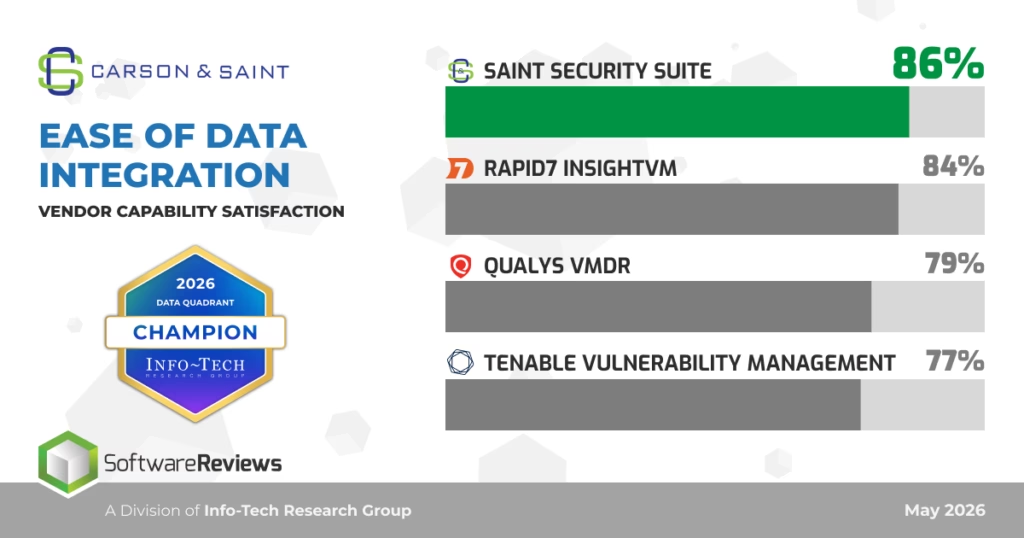
This is why security data integration deserves consideration when evaluating a vulnerability management platform. In the 2026 SoftwareReviews Vulnerability Management Data Quadrant, SAINT Security Suite received an 86% Ease of Data Integration satisfaction rating, compared with 84% for Rapid7 InsightVM, 79% for Qualys VMDR, and 77% for Tenable Vulnerability Management.
The numbers provide useful customer feedback, but the larger question for security leaders is what effective integration means for their teams.
Disconnected Security Data Creates Operational Friction
A vulnerability finding rarely exists in isolation. Security teams may need asset information to understand what system is affected, threat intelligence to evaluate exposure, and workflow data to determine whether remediation is already underway.
When that information is spread across disconnected systems, people become the integration layer.
Analysts move between tools. Teams manually transfer information. Findings may need to be reconciled before remediation can begin. Over time, these small inefficiencies add up.
For security teams already balancing expanding responsibilities with limited resources, reducing this friction can have a meaningful operational impact. We explored that challenge further in our article on security operations efficiency and why the technology supporting security teams should help them make better use of their available time.
Integration Gives Vulnerability Data More Context
A vulnerability’s technical severity provides valuable information, but security teams often need additional context before deciding how urgently to respond.
What asset is affected? How important is that asset to business operations? Is the vulnerability actively exploitable? Who owns remediation? What other risks affect the same system?
Bringing relevant information together helps teams develop a clearer picture of exposure and make informed decisions about where to direct their resources.
This context is also central to vulnerability risk prioritization. As we discussed in our previous article on prioritizing vulnerabilities, remediation becomes more focused when security teams can evaluate findings according to business impact and risk.
SAINT Risk Navigator supports this process by helping organizations place vulnerability information into business context and prioritize remediation based on risk.
Better Data Flow Supports Better Decisions
Effective security data integration has implications beyond technical convenience.
When information moves more efficiently between the systems and teams that rely on it, security organizations can spend less time assembling the picture and more time acting on it. IT teams receive clearer remediation priorities. Security leaders gain more consistent information for reporting. Executives can receive risk insights that are easier to connect to business priorities.
The result is a security program that can make better use of the information it already has.
That connection between technology and organizational outcomes is also an important part of measuring the business value of vulnerability management. A platform creates lasting value when it improves how people work, how decisions are made, and how effectively resources are directed toward reducing risk.
Integration Belongs in the Buying Decision
Security leaders evaluating vulnerability management technology have plenty of capabilities to compare. Scanning coverage, risk scoring, reporting, remediation guidance, and deployment requirements all deserve attention.
Data integration belongs in that evaluation as well.
Consider how the platform will operate within your existing environment. Can it exchange useful information with the systems your teams already rely on? Will it support existing remediation and reporting workflows? How much manual effort will be required to maintain those connections? Can it continue supporting the organization as its technology environment evolves?
Customer experience provides useful evidence when answering those questions. SAINT Security Suite’s 86% Ease of Data Integration satisfaction rating in SoftwareReviews reflects the experiences of users working with the platform in real-world environments.
Put Your Security Data to Work
Organizations already generate significant amounts of cybersecurity information. Connecting that information effectively can help teams gain context faster, reduce administrative friction, and make more informed decisions about risk.
For vulnerability management, those benefits directly affect how quickly information becomes action.
Ease of data integration is one part of the broader customer experience with SAINT Security Suite. Explore what security leaders value in a vulnerability management platform to see the complete SoftwareReviews findings and how customer feedback reflects the capabilities that matter in day-to-day security operations.
To learn how Carson & SAINT can help your organization turn vulnerability data into clearer risk priorities, explore SAINT Risk Navigator.



0 Comments